

3 Minute Read
A Familiar Situation in Arkansas
Imagine your life is overwhelming. You are supporting a spouse through cancer while caring for a grandson with a disability. On top of it all, you are quietly battling your own health issues.
At the doctor’s office, the message is heavy: You need to lower your A1C, or your health will get much worse. But when you’re already running on empty, thinking up and preparing nutritious meals feels nearly impossible.
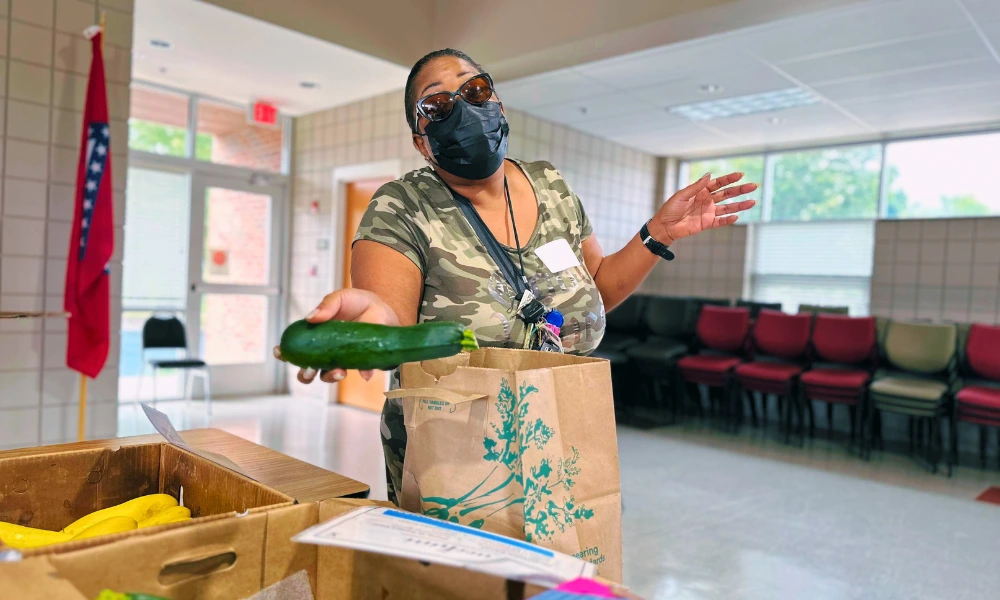
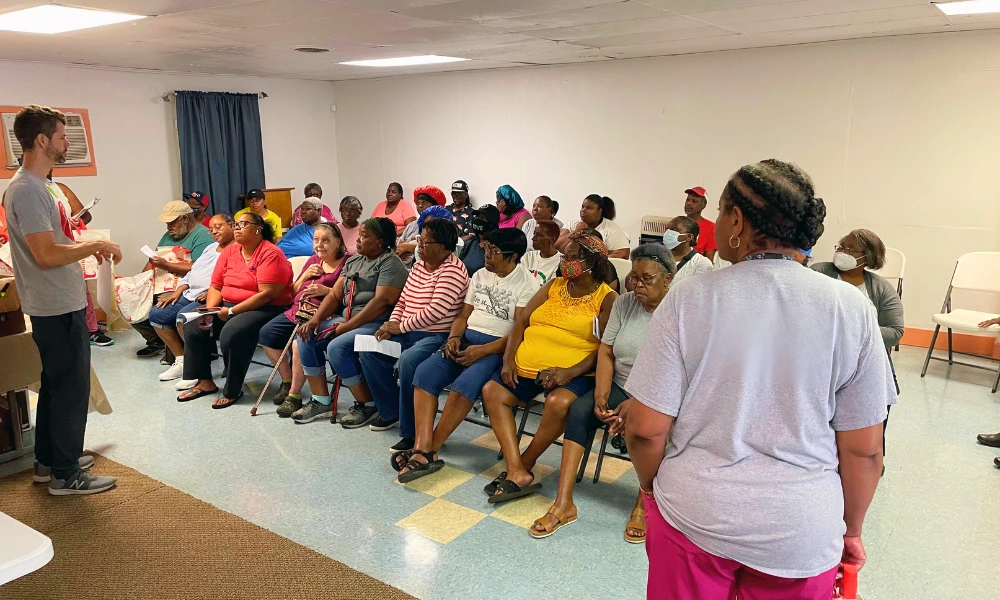
That’s when your physician mentions a new clinic program. You sign up for monthly nutrition classes and leave each session with a box of fresh, diabetic-friendly groceries—fully covered by your health insurance.
Suddenly, hope feels achievable again.
"When I started The Good Food Rx program, I weighed 252 pounds, I now weigh 237 pounds. My A1C has decreased from 7.3 to 6.2. My energy level has increased! I rest better! My mind is sharper, which allows me to have a better outlook and focus on life… my husband had cancer, and now he’s cancer-free! I have a lot on my plate. But, since I have changed my eating habits. I feel awesome! [The nutrition] class has helped my entire family. Thank you so much!"
The Good Food Rx Participant
Treatment vs. Relief: What Makes Food “Medically Supportive”?
When people think of food assistance, they usually think of charitable food relief—like traditional food pantries or emergency drive-thrus. These vital programs focus on hunger prevention, getting calories to anyone who needs them.
Medically Supportive Food and Nutrition (MSF&N) is different. It treats food as a clinical medical treatment.
Instead of relying on whatever shelf-stable goods happen to be donated, doctors prescribe specific, diet-tailored interventions designed to manage or reverse diagnoses like diabetes and heart disease. This includes:
- Medically tailored meals delivered to a patient’s home.
- Produce prescriptions for fresh fruits and vegetables.
- Clinic-based food pharmacies paired with practical cooking classes.
Why This Matters for Arkansas
In Arkansas, 15% of adults live with diabetes and nearly 1 in 3 face food insecurity. When budgets are tight, families are forced to rely on cheap, ultra-processed foods that actively worsen their health.
Medically supportive food breaks this cycle. Proper nutritional support can lower heart attack and stroke risk by up to 57% and lead to 44% to 77% fewer emergency room visits. It bridges the gap between know-how and access—giving patients the exact ingredients and skills they need to heal.
Giving Patients Their Lives Back
At Well Fed, we deeply believe in the healing power of food. Through initiatives like The Good Food Rx and the Jefferson Regional Food Is Medicine project, we are actively integrating food into clinical care across Arkansas.
We are ensuring patients get far more than just a temporary diagnosis—they get their health, their dignity, and their lives back. Together, we can transform healthcare, one fresh meal at a time.