
Hunger
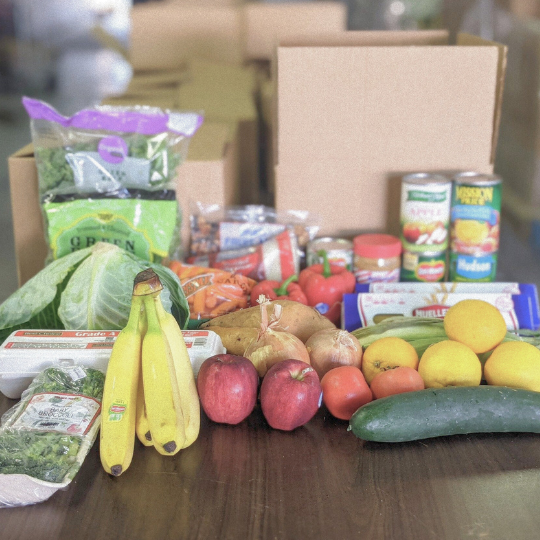
Hunger is when someone’s body doesn’t get the food it needs. It can happen because of food insecurity.
Food Security
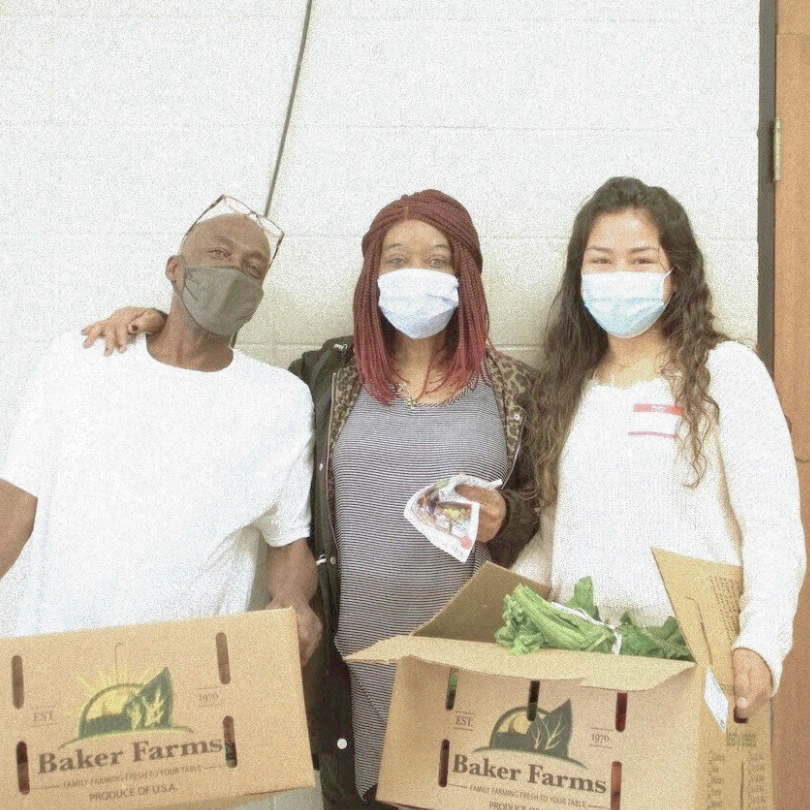
The state of having reliable access to a sufficient quantity of affordable, nutritious food.

Nutrition Security
Having consistent and equitable access to healthy, affordable, and nutritious food that meets dietary needs for an active and healthy life.
The Cost of unmanaged disease
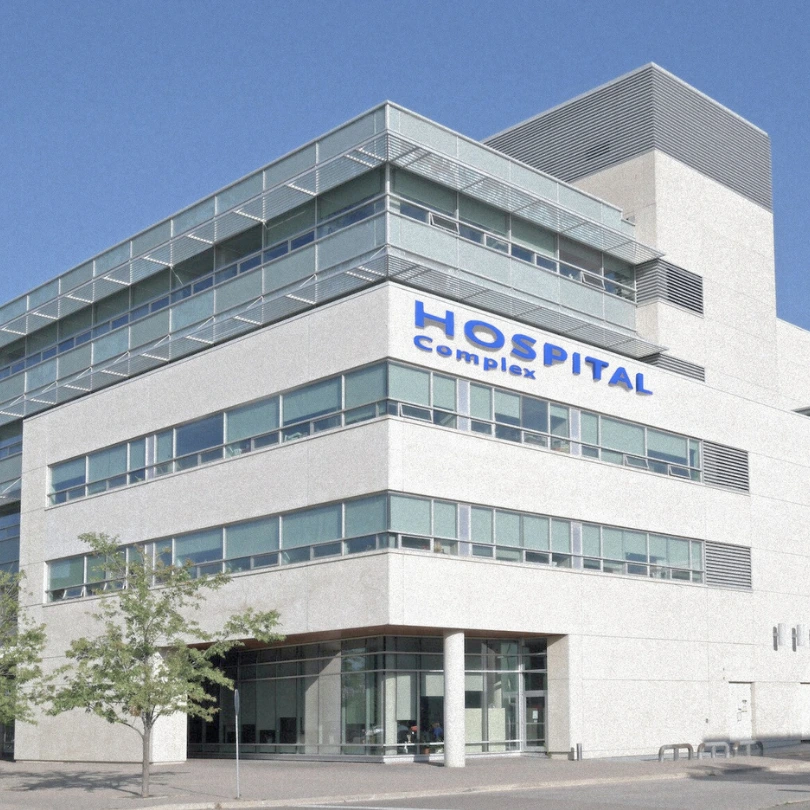
The lack of access to nutritious food creates an environment where Arkansans often feel less confident or unable to manage ongoing health problems such as diet-related diseases. The consequence is extreme for our entire state. In 2016, approximately $52.9 billion in healthcare costs were associated with food insecurity among American adults and children and adding up the excess total healthcare costs associated with food insecurity is $1,607 per food-insecure adult in Arkansas.

Biological Determinants of Health
The internal and inherited factors — like genes, age, what we eat, and how active we are — that shape how well our bodies function and how likely we are to stay healthy or develop illness.
Social Determinants of Health
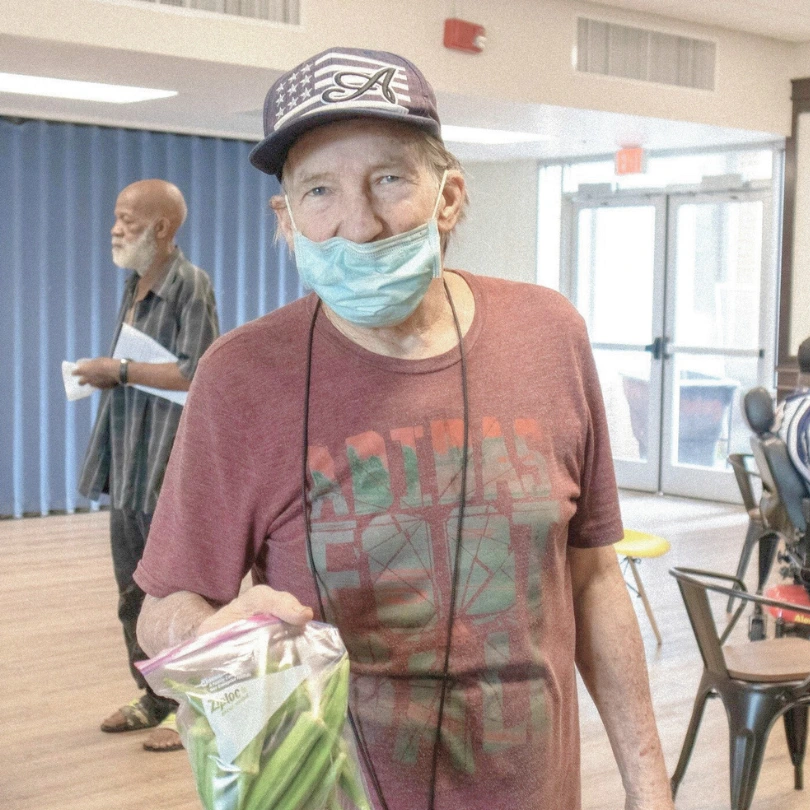
The everyday conditions that shape a person’s well-being, such as where they live, work, learn, and socialize. Factors like income, education, neighborhood safety, access to healthcare, and social support all play a major role in how healthy someone can be.

Barriers to Food Access
Many factors make it difficult for people to access the food they need for a healthy life, including low income, unemployment, food deserts, lack of transportation, stigma, and limited culturally appropriate foods. Institutional challenges and limited nutrition education also create barriers, from low-quality options at food banks to complicated assistance systems.

Food Deserts
A community where many people struggle to afford basic needs, and a third of residents live far from a grocery store — more than a mile away in cities or over ten miles away in rural areas.
Food Banks & Food Pantries
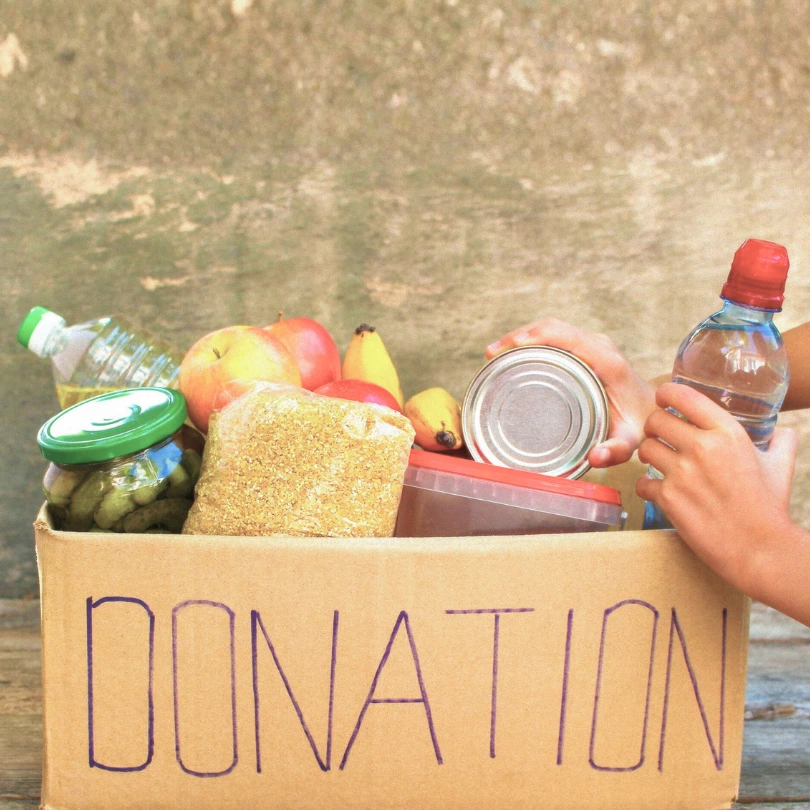
A food bank collects and stores large amounts of food from donors, while a food pantry distributes that food directly to people in need. A survey of

Produce Prescription Programs (PRx)
Food is used as medicine to treat and even reverse diet-related conditions like type 2 diabetes, cardiovascular issues, and obesity. PRx combines medically tailored groceries with nutrition education and regular doctor check-ups to produce measurable improvements such as lower blood pressure and A1C levels. It can be delivered as an in-clinic market or home-delivered boxes, and Well Fed partnered with UAMS East Campus to launch the first full PRx program, “The Good Food Rx.”

Mobile Food Access
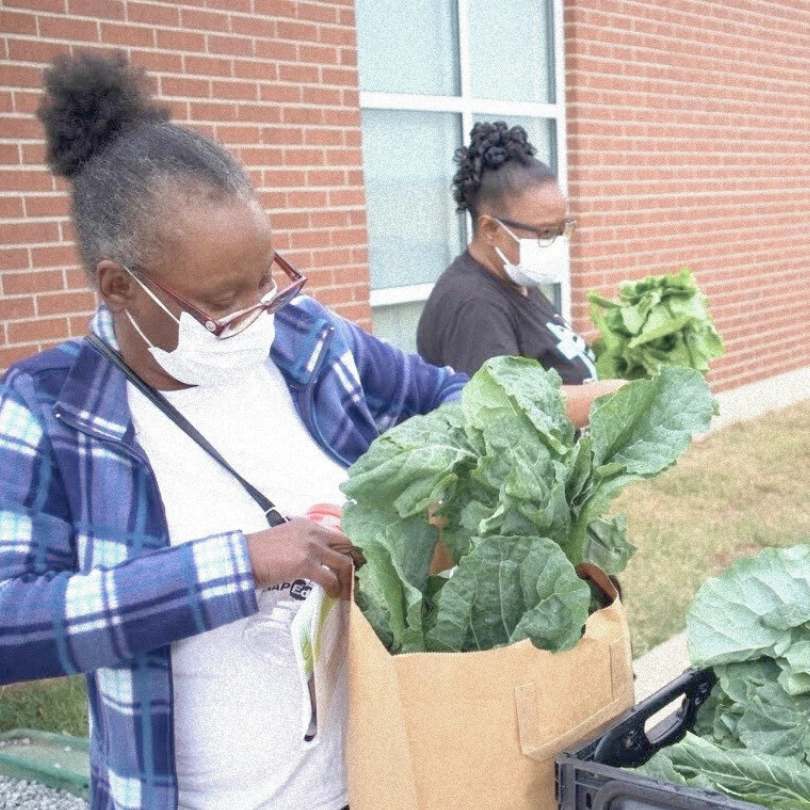
Bringing healthy, affordable food directly into communities that lack nearby grocery stores or reliable transportation. These programs reduce geographic and economic barriers by meeting people where they are—often through mobile markets, delivery models, or pop-up food distributions.
Medically-Supportive Food
Nutritious food (meals or groceries) offered to a broader patient group to manage or prevent diet-related chronic conditions; not individually tailored.

Food Aggregator
A grocery delivery platform that connects grocery stores and farms with customers, allowing members of the mobile grocery coop to invest in a local mobile “grocery store” in their area. This platform acts as a solution to food deserts and healthy food scarcity, streamlining the process for both members and grocery stores/farms.