
4 Minute Read
The purpose of food pantries
Back in 2021, we wrote about some of the gaps in the food access system that continue to affect families across Arkansas today.
Most people are familiar with food banks and food pantries. Maybe you have volunteered at one yourself. Their purpose is simple and important: to help alleviate hunger by distributing free food to people who need it.
And they do that well.
But hunger and nutrition are not always the same thing.
Emergency food systems were designed to provide immediate relief, not necessarily to support long-term health. As food costs continue to rise and chronic disease becomes more common, that distinction matters more than ever.
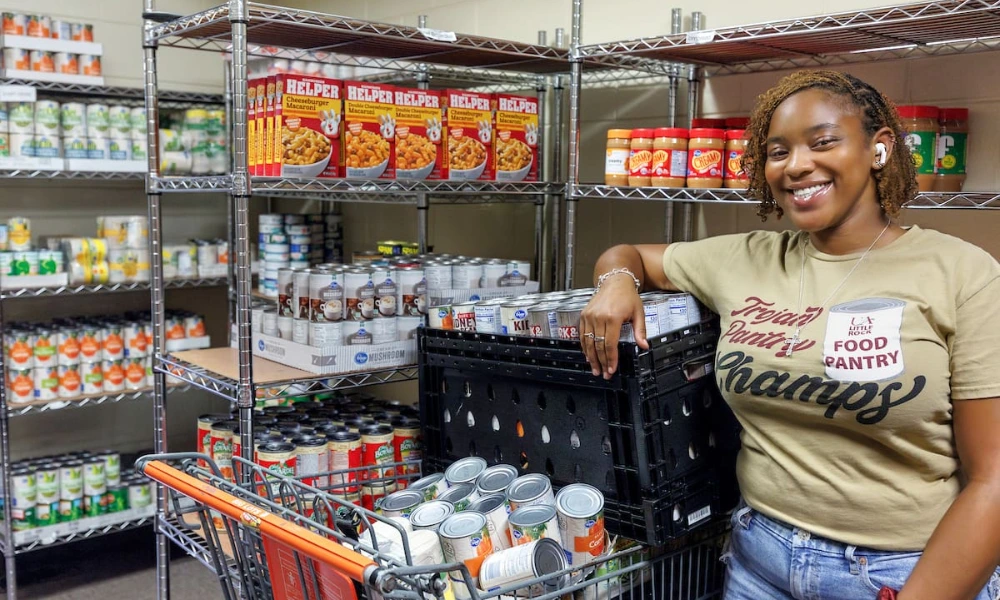
Not all food assistance supports long-term health
Because food banks receive large quantities of donated food that must often be stored for long periods of time, the food available to pantries is typically shelf-stable and nonperishable. Pantry shelves are often filled with canned and processed foods, while fresh fruits and vegetables are far less common.
For families experiencing chronic food insecurity, this can create a difficult cycle. A diet heavily dependent on processed foods may contribute to diet-related illnesses such as diabetes, hypertension, and obesity, especially when healthier options are unaffordable or inaccessible.
A UAMS study published in the Journal of the Academy of Nutrition and Dietetics surveyed 357 food pantries across Arkansas and found that only 18.5% had written nutrition guidelines.
Food assistance plays a critical role in helping families get through difficult seasons. But many food pantries are limited in their ability to consistently provide foods that support long-term nutritional health.
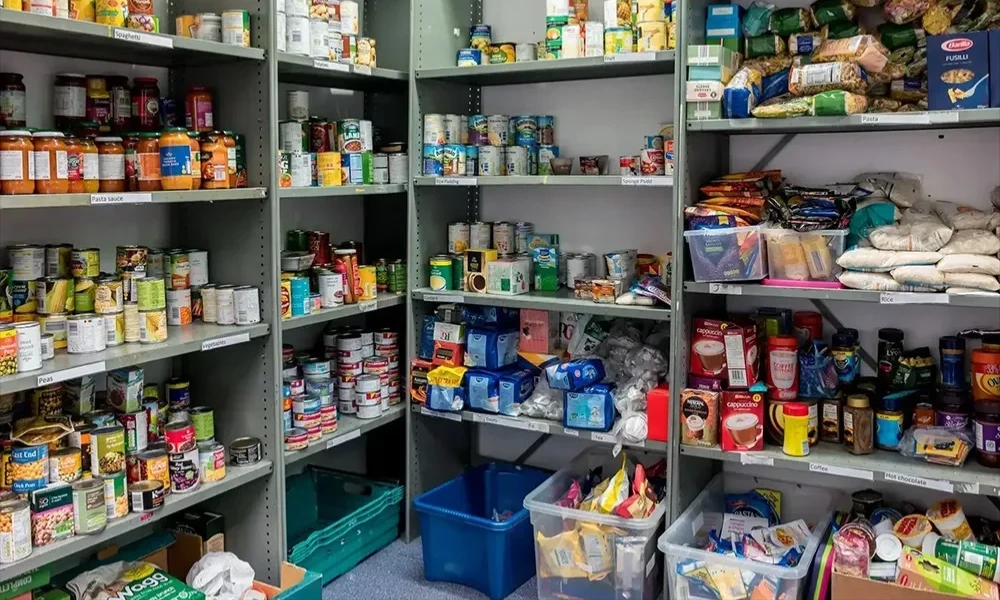
Not everyone can physically access food assistance
For some households, the challenge is not only what food is available, but whether they can reach it at all.
Many families living in rural communities face transportation barriers that make regular visits to food distribution sites difficult. Older adults, individuals with disabilities, and families without reliable transportation may struggle to access both grocery stores and food pantries consistently.
As food prices continue to rise, these barriers become even more significant for households already stretched thin financially.
Choice and dignity matter too
Another challenge within many emergency food systems is the lack of client choice.
The same UAMS study found that only 19.3% of Arkansas food pantries offered client choice distribution, meaning most participants did not choose the food they received. As a result, families may leave with food they cannot use, do not know how to prepare, or simply will not eat, increasing the likelihood of food waste.
Choice may seem like a small detail, but it can significantly affect dignity, nutrition, and whether food is actually consumed. Read this article to learn more about the importance of client-choice.
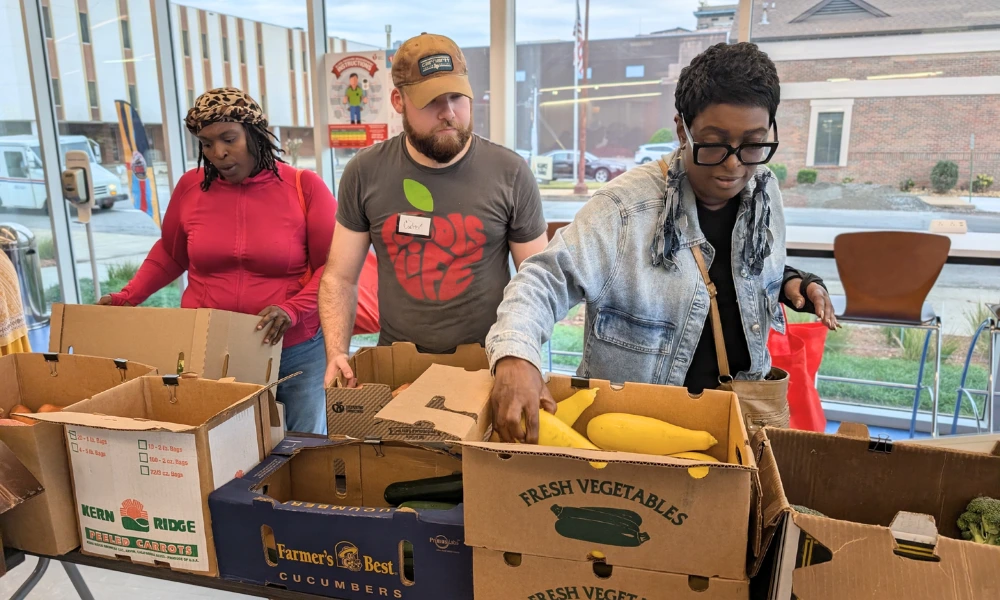
Filling the gaps
Food banks and food pantries remain an essential part of the food access system, especially during times of crisis. But long-term nutrition insecurity requires solutions that go beyond emergency food alone.
That is where Well Fed’s work is focused: helping expand access to fresh foods, nutrition education, and community-based programs that support long-term health in underserved Arkansas communities.
Through initiatives like our mobile markets and educational programs, we aim to help fill some of the gaps traditional emergency food systems were never designed to address.
We also created a video series called Q&A Thursday, in which our executive director, Josh Harris, explains terms and challenges related to the food access system and the work underway to improve it.
Take a look!
Article Updated: May 2026