
4 Minute Read
Why Access to Benefits Doesn’t Always Mean Access to Healthy Food
Reducing food insecurity is essential. But solving hunger alone does not automatically solve nutrition insecurity.
Even when families receive SNAP benefits, barriers remain that limit access to healthy, nutrient-dense foods—especially in underserved communities across Arkansas.
When Benefits Don’t Equal Nutrition Security
Many SNAP participants report that monthly benefit amounts can be difficult to stretch. As a result, families may rely on inexpensive, shelf-stable, ultra-processed foods to make benefits last.
Over time, this pattern contributes to higher rates of diet-related illness, including diabetes, hypertension, and heart disease—conditions that disproportionately impact low-income communities.
This is not an issue of motivation. It is an issue of access, affordability, and education.
Programs That Encourage Healthy Eating
Some initiatives are helping close this gap.
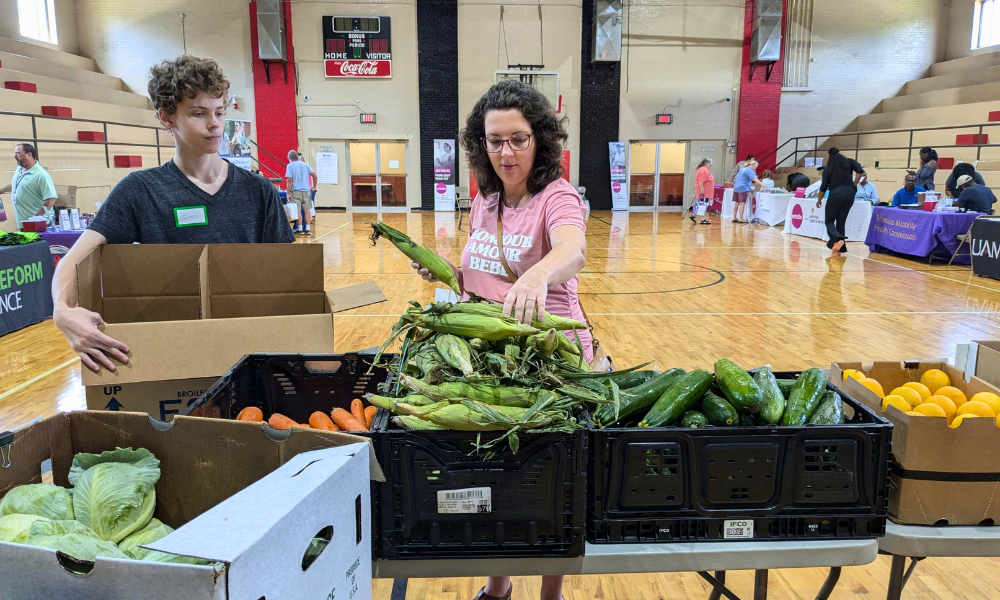
The Double Up Food Bucks program matches SNAP dollars spent on fresh fruits and vegetables at participating markets, making healthier foods more affordable.
However, participants noted several challenges:
Limited awareness of the program
Transportation barriers to farmers markets
Discomfort or stigma when using EBT in certain settings
Expanding eligible locations and increasing outreach could improve participation and healthy food access.
The Role of Community Organizations
SNAP was never designed to operate alone.
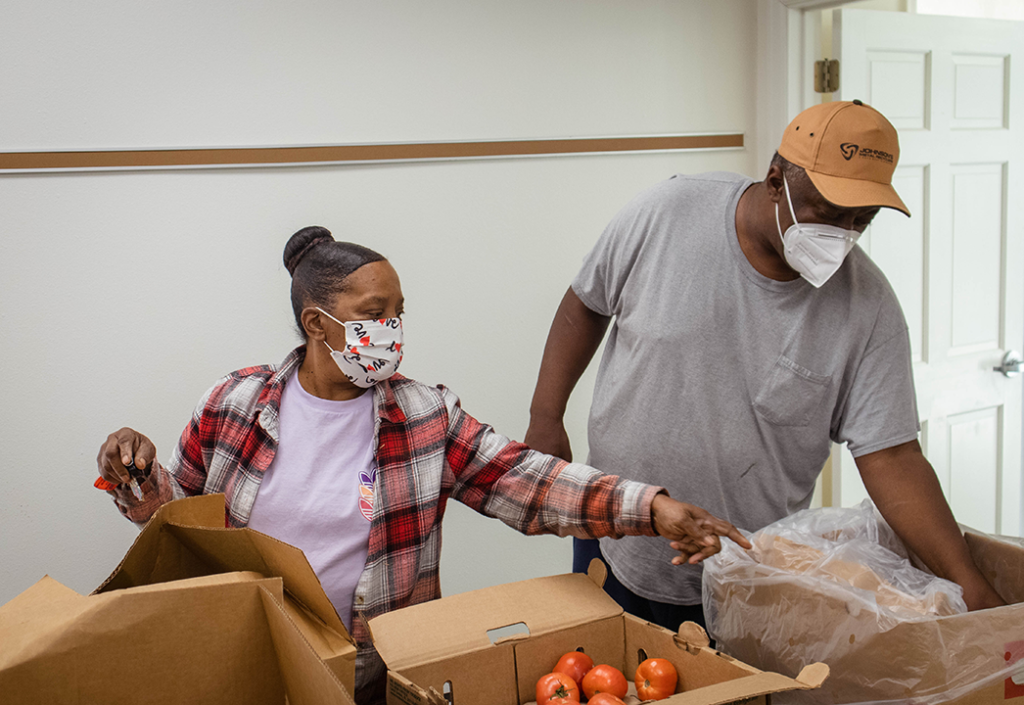
That’s where organizations like Well Fed play a vital role.
Well Fed works directly in underserved Arkansas communities to address nutrition insecurity through:
Mobile grocery markets that bring healthy food directly to neighborhoods
Nutrition education and cooking demonstrations
Food-as-medicine initiatives that connect diet to long-term health
Assistance navigating SNAP and other support programs
More than half of Well Fed’s mobile market participants in low-income communities are not currently accessing SNAP benefits. Additionally, 80% report needing continued assistance to access nutritious food.

Moving Toward Nutrition Security
Policy improvements to SNAP access, benefit levels, and incentives for healthy purchasing are essential. At the same time, community-based solutions remain critical.
Improving health outcomes in Arkansas requires both systemic change and local action.
By strengthening partnerships, expanding healthy food access, and equipping families with practical nutrition education, we can move from food insecurity toward lasting nutrition security—one community at a time.
This blog is a synopsis of the whole article that you can find here.
If you or someone you know would like to apply for SNAP Benefits, please go to the Divisions & Shared Services website to learn more.