
5 Minute Read
Produce Prescription Programs and the Future of Food as Medicine
Across the United States, healthcare systems are beginning to recognize a simple reality: access to healthy food is closely tied to health outcomes.
This idea is often called “food as medicine”—a growing approach that connects nutrition access with the prevention and management of chronic diseases like diabetes, hypertension, and obesity.
One model within this movement is called a produce prescription program.
At its core, it’s simple: healthcare providers “prescribe” fruits and vegetables to patients who are experiencing diet-related health risks or food access challenges.
If food affects health, then access to healthy food becomes part of care.
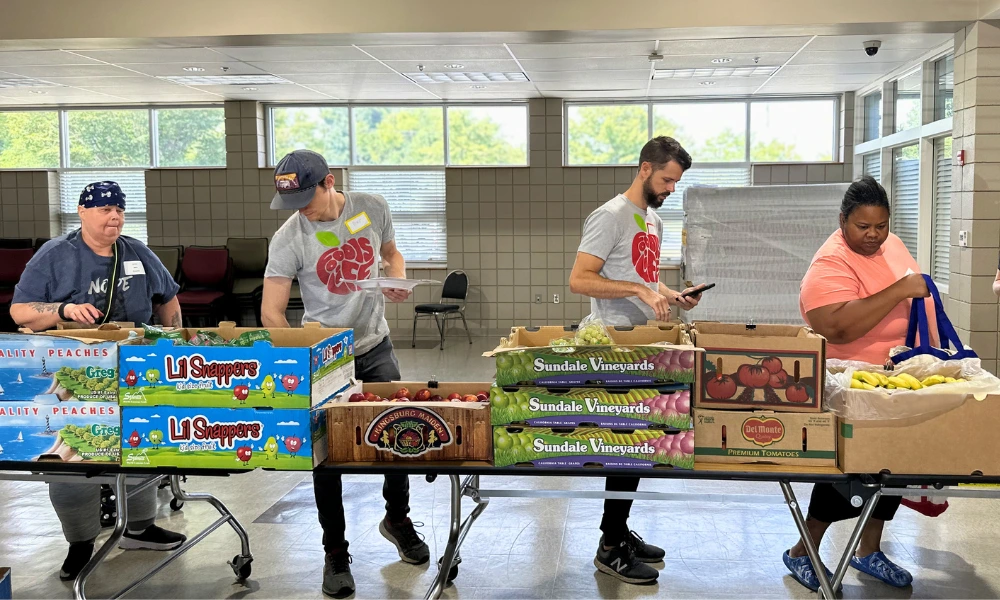
What is a produce prescription program?
Produce prescription programs are usually built through partnerships between healthcare providers and community organizations.
Participants are typically identified through a clinic or screening process. They may:
- have a diet-related condition like diabetes or hypertension
- or face barriers to accessing healthy food
Once enrolled, participants receive regular access to fresh fruits and vegetables. Many programs also include nutrition education or cooking support.
Food access may be delivered through vouchers, clinic-based distribution, or community partners.
Throughout the program, health data is often tracked to measure changes in outcomes like blood pressure, blood sugar, or dietary habits.
Success is usually defined by measurable improvements in these health indicators.
On paper, the model is straightforward. In practice, access makes all the difference.
Where the model works—and where it struggles
Research on produce prescription programs shows promising outcomes, including increased fruit and vegetable intake and improved health indicators for some participants (National Produce Prescription Collaborative, 2023).
But access to these programs is not equal.
Many rely on fixed locations like clinics, farmers markets, or retail redemption systems. That can create barriers that are easy to miss in program design.
For families without reliable transportation, flexible schedules, or childcare, “access” on paper doesn’t always translate to access in real life.
This challenge is especially clear in rural communities, where distance and limited infrastructure shape nearly every part of daily life.
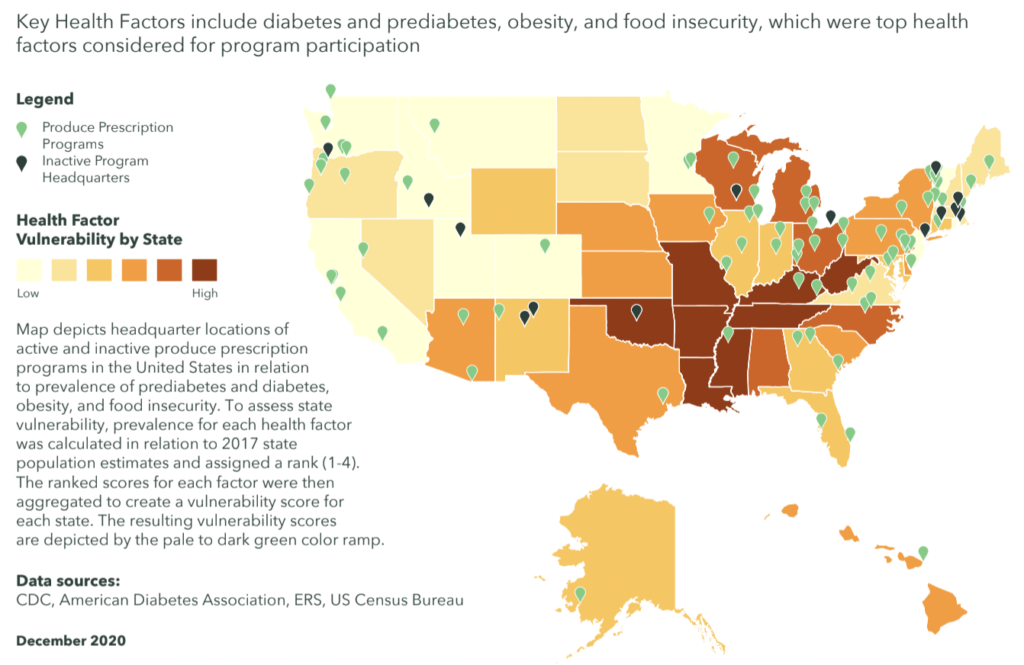
Rural access and chronic disease
Chronic diseases linked to diet continue to rise across the U.S., especially in rural and low-income communities.
Rural communities are also more likely to experience barriers to healthy food access, including longer distances to full-service grocery stores and fewer fresh food retail options.
The result is a system-level gap. Even when medical providers are ready to prescribe healthy food, the infrastructure to support that prescription is often limited.
In these cases, the barrier is not awareness—it’s access.
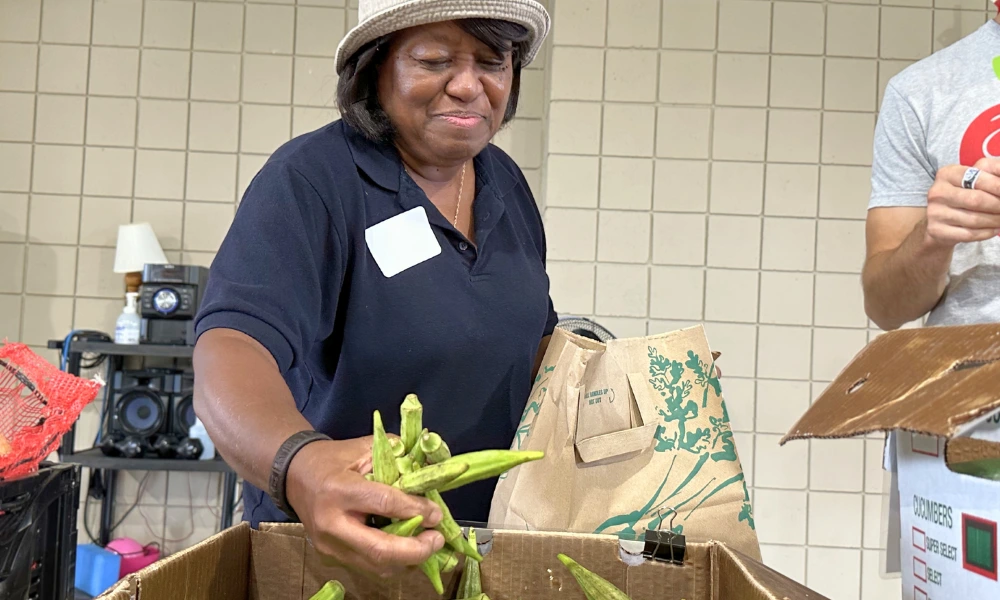
Why program design matters
Studies of produce prescription programs suggest they work best when they reduce friction between prescription and access.
That often means:
- minimizing travel distance
- integrating food access into familiar community spaces
- combining food with education and support
Programs that require extra steps—like traveling to specific redemption sites—tend to reach fewer people in rural settings.
Not because need is lower, but because logistics are harder.
A prescription only works if people can realistically use it.
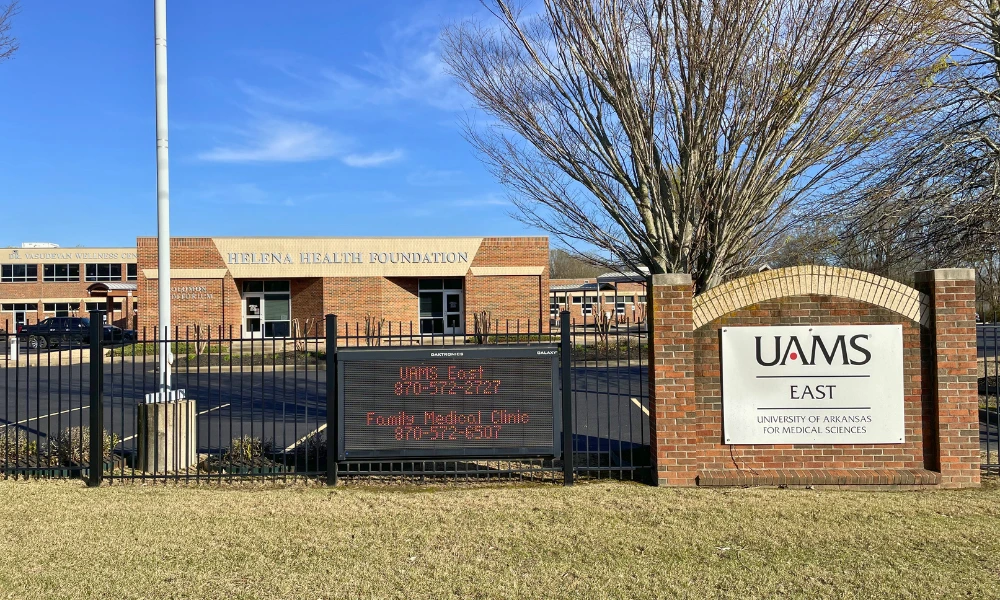
Moving toward community-connected models
Because of these challenges, many produce prescription programs are exploring more community-connected distribution models.
This includes:
- mobile food distribution
- clinic-based delivery
- partnerships that bring food directly into community spaces
The goal is not to replace existing systems, but to close the gap between medical intent and real-world access.
In many rural areas, the difference between a “prescribed” intervention and an accessible one is distance, transportation, and time.
Looking ahead
Produce prescription programs are growing across the country, but their impact depends on how well they fit the communities they serve.
As this field expands, the question is no longer whether food can function as medicine.
It’s how to make that medicine actually reachable.
Because for many families in rural and low-income communities, the barrier is not the prescription itself—it’s everything required to fill it.
Read the original study used in this article by the NPPC (National Produce Prescription Collective). Read here.