
4 Minute Read
A Town With Almost Nothing Left
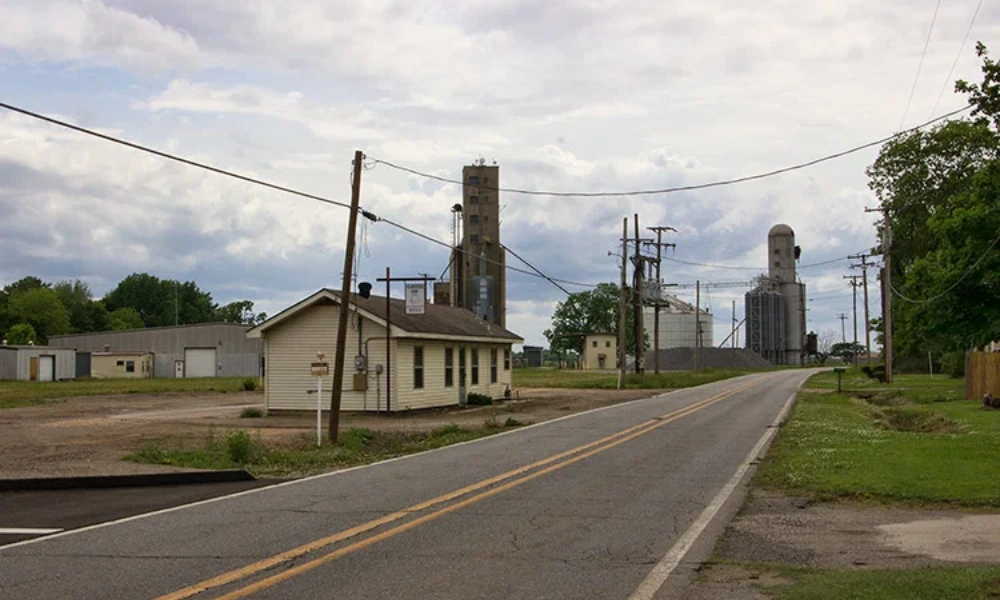
We met with the mayor of a town not so far from Little Rock, and our visit blew my mind and reset my perspective on small-town living. Here’s some facts about this tiny dot on the map:
- Families: 200
- Stoplights: None
- Stores with processed foods in town limits: 2
- Stores with fresh, unprocessed food: Zero
- Community buildings owned by the town: Zero
- Schools: Zero
The Town
When people think about nutrition insecurity, they often picture empty refrigerators or high grocery prices. But in this town, the problem stretches far beyond food itself. There are almost no public spaces left, few local institutions, and little infrastructure capable of supporting everyday life.
The mayor, with a weariness caused by years of little progress, described the situation as she gave us a tour of the town. She spoke about projects that never seem to move forward because there is simply no funding to begin them.
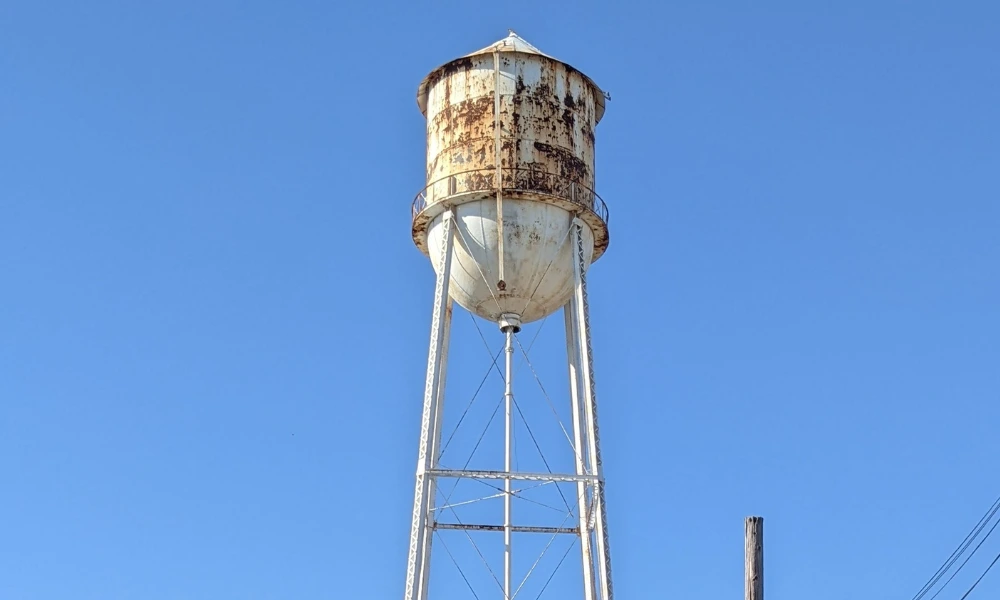
The water pipes underground have been unsafe for years. Above them stands a water tower stained a deep shade of rusted orange.
What’s Missing
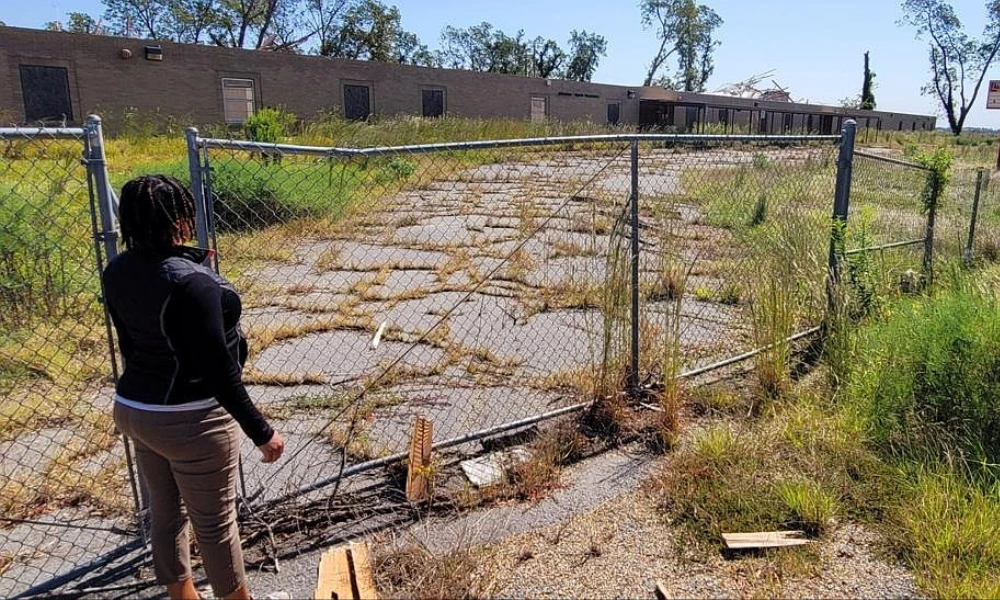
We were searching for a building that could host one of our food programs. We walked around the property that had once been the town’s only school before it closed about 10 years ago. The building still sits there unused and overgrown. Though the mayor hopes the town might one day purchase the land and put it to use again, that possibility feels distant.
We drove to the small fire station on Main Street. It was large enough to host a program, but its crew consists of only three volunteers who live outside the town. There were also a few churches nearby, but the pastors live elsewhere too, the mayor explained, so the buildings sit mostly empty during the week.
Josh asked whether the town had any community centers as we walked through a small park on the edge of town.
The mayor said no.
“The kids have nothing to go to after school,” she told us.
That sentence stayed with me.
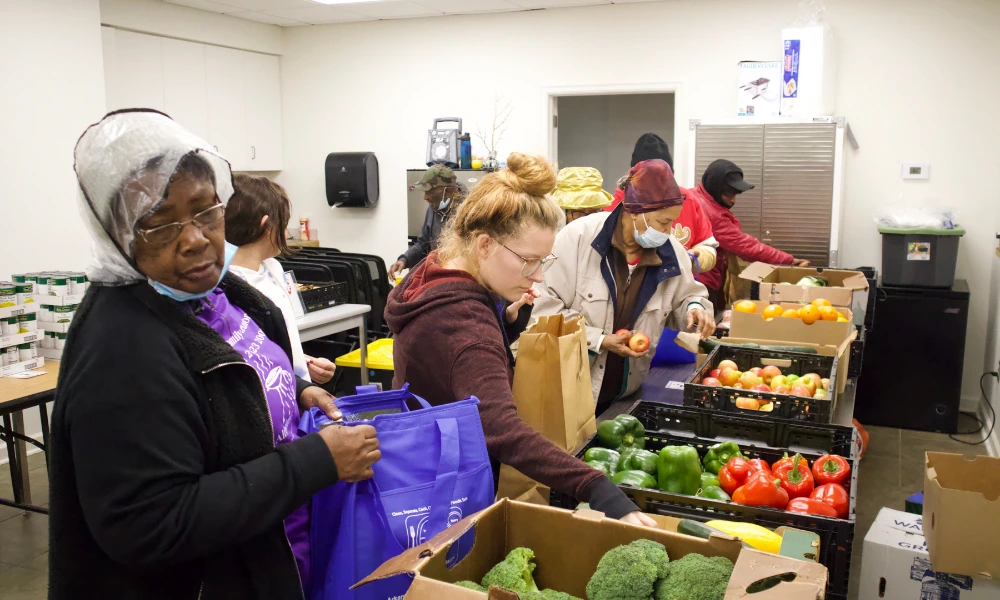
We eventually landed on the town’s library, which is owned by the county rather than the town itself. It has just enough room for us to host a mobile food market and nutrition education program.
Fifteen Miles Away
For many residents who participate in our monthly program, the fruits and vegetables we provide are the only fresh produce to which they have regular access. The nearest fully stocked grocery store is 15 miles away, a difficult distance for residents with unreliable transportation. And for many families living on low incomes, fresh produce is often too expensive to prioritize even when they can reach a store.
Even the nearest food pantry is just as far away. But food access in towns like this cannot be solved only through emergency food assistance. The deeper issue is what happens when a community slowly loses the institutions and infrastructure that once supported it.
Beyond Food
By the end of our visit, I realized this town challenged many assumptions I had about rural poverty in Arkansas. Nutrition insecurity here is not simply about food deserts or grocery prices. It is tied to isolation, transportation, aging infrastructure, and the disappearance of shared community spaces.
Still, there were signs of possibility. As we discussed ideas for the future, Josh suggested that partnerships with outside organizations could eventually help create a true community gathering space for families and children.
In a town with no school, no community center, and no grocery store, even small investments can carry enormous weight.
What’s Next?
Rural communities like this one do not change overnight. But consistent investment in healthy food access, nutrition education, and community partnerships can make a meaningful difference over time.
If you want to help expand access to fresh food in underserved Arkansas communities, you can support Well Fed’s rural programs below.