
The Hidden Economics of America’s Food System
History 101 explains that after World War II, culture shifted from families cooking 1,095 meals a year at home to eating out more often. Higher disposable income, convenience, and entertainment all played a role. Supply chains changed. Processed food became cheaper. Government subsidies encouraged production of crops like corn, soybeans, and wheat to meet rising demand (1).
Today, nearly 40% of calories in the American diet come from added sugars and fats.
With numbers like that, it’s no surprise the United States has one of the lowest-cost food supply chains in the world (2). But who is most impacted by this low-cost, high-energy food system?
Low-income households—and that reality shows up clearly in Arkansas.
About 1 in 5 Arkansans face food insecurity, and 1 in 4 Arkansas children face hunger. Arkansas consistently ranks among the highest states in the nation for food insecurity, according to Feeding America.
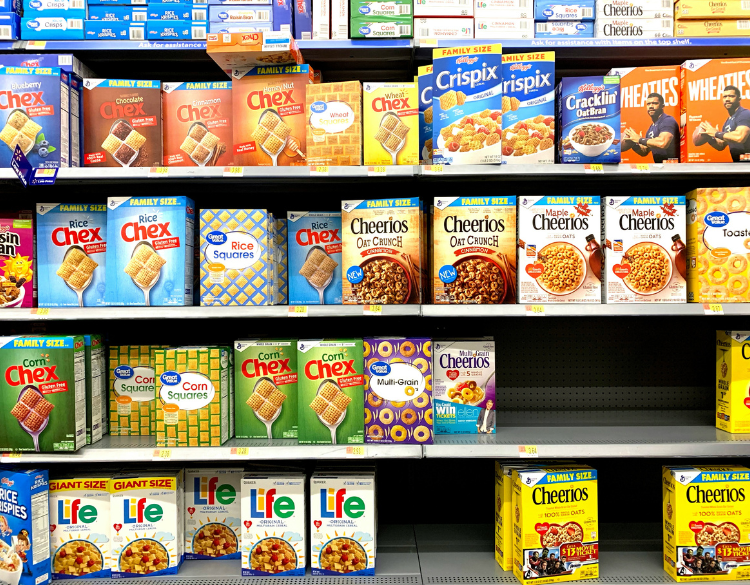
Convenience used to be driven by higher disposable income. Now, processed and ultra-processed foods are not just convenient—they’re affordable and accessible. Grocery store shelves are packed with calorie-dense foods that cost less than fresh fruits, vegetables, and whole foods.
So the tables have turned. Families with the least disposable income often buy the least nutritious food—not because of preference, but because of price and access.
The True Cost of a Healthy Diet
Researchers from Harvard University found that healthier diets cost about $1.50 more per day than the least healthy diets (3). That may sound small, but for families managing tight budgets, that difference adds up quickly.
Location matters too. Inner-city grocery stores often charge higher prices due to less competition and higher operating costs. A report found they have 4% higher prices overall than suburban areas due to less competition, less mobility for clients to respond to higher prices, and smaller stores with higher margins and therefore higher costs (4). When communities are also food deserts, healthy options become even harder to find.
Add higher local poverty rates—about 17% of Arkansas households live below the poverty line according to this report—and nutrition insecurity becomes a daily challenge.
This is how nutrition insecurity grows—not necessarily from lack of desire to eat healthy, but from systems that make unhealthy food cheaper and easier to access.
In our next post, we’ll look at how these trends affect underserved communities in Arkansas—and how community-based solutions can expand healthy food access today.