
5 Minute Read
The hidden risk behind public health crises
In recent years, global health conversations were largely shaped by the COVID-19 pandemic. The economic disruption following lockdowns, alongside widespread hospitalizations and loss of life, affected millions of Americans on a deeply personal level. Beyond the immediate crisis, however, the pandemic revealed something more enduring: underlying health vulnerabilities that continue to place certain populations at greater risk during any widespread viral outbreak.
Among those most affected were low-income communities—populations already facing significant barriers to health due to limited access to nutritious food and higher rates of diet-related illness.
The role of diet-related illness in viral outcomes
The prevalence of diet-related illnesses in low-income communities has long been a contributing factor to poor health outcomes. These conditions—including diabetes, hypertension, and cardiovascular disease—are often present simultaneously, a concept known as comorbidity. During viral outbreaks, these underlying conditions can significantly increase the severity of illness and risk of hospitalization.
This reality became especially visible during COVID-19, but the implications extend far beyond a single virus. The intersection of chronic disease and infectious illness creates a compounded risk—one that continues to threaten vulnerable populations during any public health crisis.
A study conducted in the early 2000s among low-income households in counties across Arkansas, Louisiana, and Mississippi found that food-insecure individuals had a 2.4 times higher risk of diabetes and hypertension. Despite decades of progress since the 1970s, cardiovascular disease (CVD) remains a leading cause of death in the United States, claiming approximately 659,000 lives each year—accounting for 1 in every 4 deaths [1].
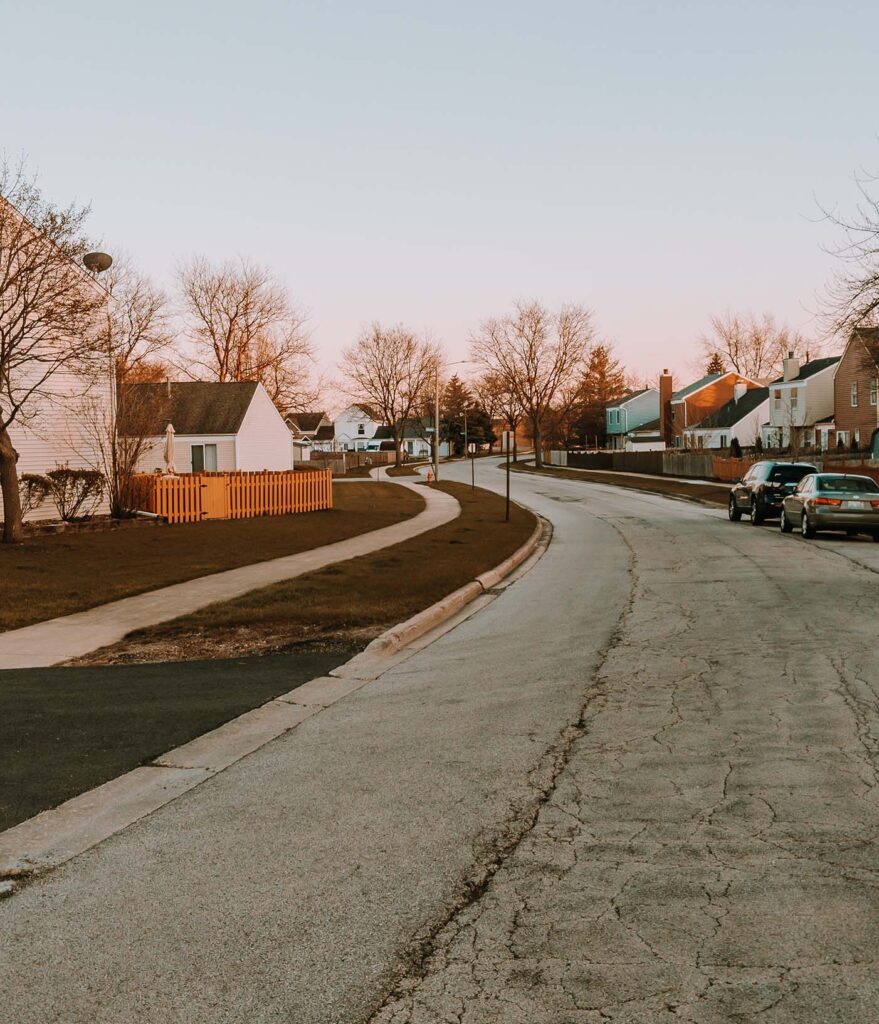
During the COVID-19 pandemic, these disparities became even more evident. Communities on the south side of Chicago—where the majority of residents are low-income African-Americans—accounted for “more than 50% of COVID-19 cases and nearly 70% of COVID-19 deaths [in Chicago city limits]…” These numbers highlighted a deeper issue: why are certain communities more vulnerable when health crises arise?
Understanding the root causes: social determinants of health
To answer this question, we must consider the concept of “social determinants of health.” At its core, it is the understanding that “health and illness are not randomly distributed throughout human society neither are the resources to prevent illness and its effects [2].”
Where a person is born, lives, and works—along with their access to resources, education, and healthcare—plays a defining role in their health outcomes.
For many low-income households, access to healthy food is limited. Individuals may live in food deserts, face physical or financial barriers to obtaining nutritious meals, or experience instability due to unemployment. These conditions often contribute to long-term dietary patterns that increase the risk of chronic illness.
In addition, limited social support systems and increased stress can further compound these challenges, reinforcing cycles of poor health.
When crises compound existing inequality
When a viral outbreak occurs, these existing vulnerabilities are intensified. Economic instability, rising food costs, reduced access to transportation, and hesitation to seek medical care can all exacerbate the effects of both chronic and infectious disease.
During the COVID-19 pandemic, for example, one study found a decline in “food related disease diagnosis during the pandemic without the indication of a fall in prevalence of these conditions [3].” This suggested that while fewer diagnoses were being recorded, the underlying health issues had not diminished—potentially leaving many individuals at even greater risk.
Early research during the pandemic also demonstrated a significant increase—ranging from two- to three-fold—in the risk of infection and hospitalization among patients with diabetes and cardiovascular disease.
A path forward: food as prevention and protection
What can be done to address these risks before the next health crisis emerges?
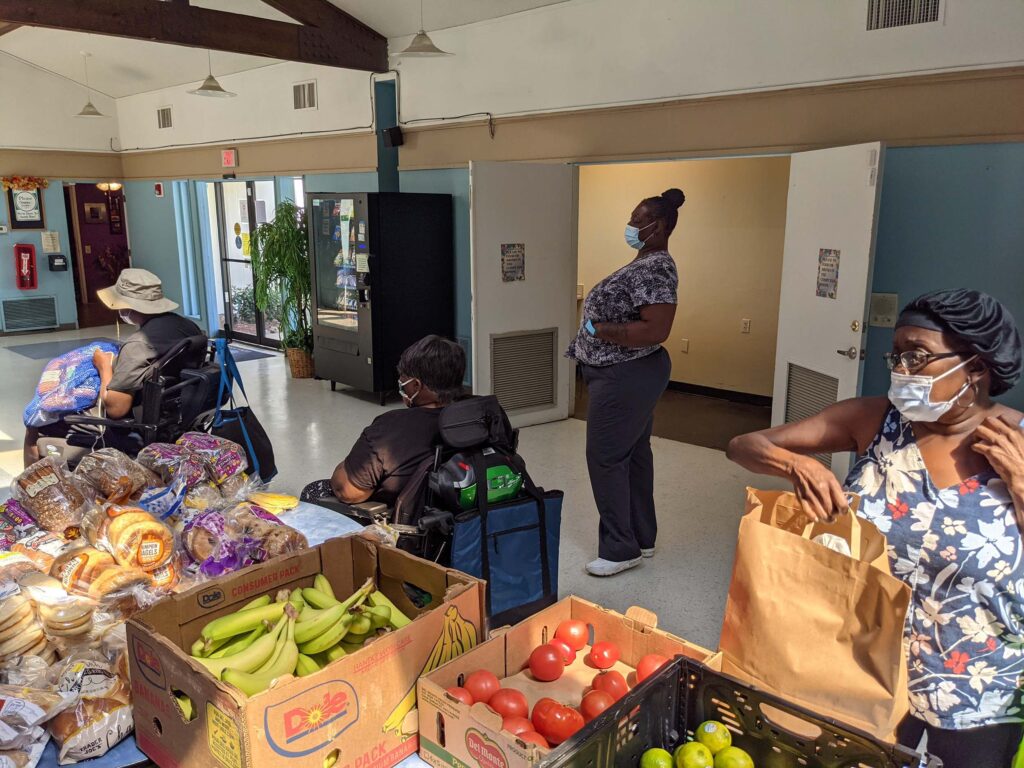
We agree with Michael Thomsen, a professor of agricultural economics and agribusiness at the University of Arkansas, when he said, “COVID relief should place more focus on food assistance [4].”
The need extends beyond a single pandemic. Addressing diet-related illness through improved food access and education offers a long-term solution to strengthening public health resilience.
Access to proper nutrition fuels a healthy immune system and plays a critical role in preventing and managing chronic conditions such as diabetes, hypertension, and cardiovascular disease. In turn, this reduces the likelihood of severe outcomes when viral illnesses occur.
Equally important is nutrition and cooking education, which empowers individuals and families to make sustainable, healthy choices that support long-term well-being.
Building resilient communities through nutrition
The lessons learned in recent years point to a clear conclusion: food access is not just a matter of convenience—it is a matter of health security.
By investing in equitable access to nutritious food and education, communities can be better equipped to withstand future public health challenges. Strengthening these foundations today has the potential to reduce hospitalizations, improve quality of life, and ultimately save lives.
Because when the next health crisis comes—and it will—the strength of our communities will depend not only on medical response, but on the health of individuals long before illness begins.
Peter Heil, Well Fed