
Nutrition Insecurity in Arkansas
In 2019, Arkansas ranked 50th in the nation for food insecurity. One in seven Arkansans faces hunger, and one in four children does. It is clear that Arkansas faces significant food insecurity—but there is a related issue that has received far less attention.
What Is Nutrition Insecurity?
Nutrition insecurity in Arkansas is not just about having too little food. Many communities lack access to nutritious foods, especially in rural areas. Limited access to supermarkets and grocery stores—often called food deserts—makes it difficult for families to obtain fresh produce, whole grains, and other healthy foods.

Nutrition Insecurity Defined
Nutrition insecurity describes a situation in which an individual or household lacks consistent access to nutritious, safe, and culturally appropriate food. It includes not only the quantity of food available, but also the quality, variety, and nutritional value.
While food insecurity focuses on having enough food, nutrition insecurity highlights the need for foods that actually support long-term health and well-being.
Nutrition Insecurity vs. Food Insecurity
Food insecurity is the lack of reliable access to enough food for an active, healthy life. It can be caused by poverty, limited transportation, or lack of nearby grocery stores. Food insecurity is linked to poor health outcomes and chronic diseases such as obesity, diabetes, and heart disease.
Nutrition insecurity, however, focuses on the adequacy of the food available. A household may have enough calories but still lack essential nutrients.
For example, someone with access only to inexpensive, processed foods may consume enough calories but still suffer from vitamin and mineral deficiencies.
Key Factors
1. Limited Resources
Many Arkansas families must choose between rent, utilities, medicine, and groceries. Often, the most affordable foods are also the least nutritious.
2. Food Deserts
In some rural communities, residents must rely on convenience stores or fast food for groceries. Over time, this lack of access to healthy foods contributes to serious health problems.
The Consequences
Nutrition insecurity has long-term effects, especially for children. Poor nutrition can impact physical growth, learning, and emotional development. Children who grow up without consistent access to nutritious food face higher risks of chronic disease later in life.
The Solution
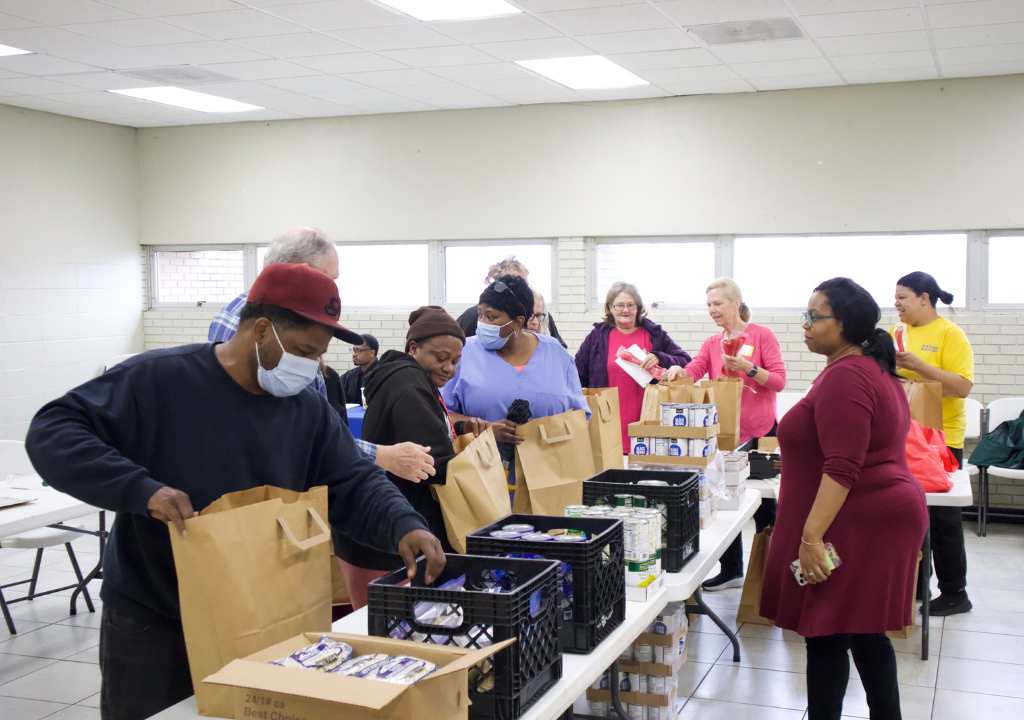
Organizations like Well Fed and our partners are working to increase access to healthy food and nutrition education in underserved areas. Through mobile grocery markets, food boxes, food-as-medicine programs, and partnerships with local leaders, we are helping families move from survival to health.

You Can Help Fight Nutrition Insecurity
You can make a difference in practical ways:
Give your voice by sharing Well Fed’s work with friends and on social media
Give your time by volunteering and seeing the impact firsthand
Give financially so Well Fed can reach more families
Give kindness by inviting someone in need to visit a Well Fed market with you
You can also talk with Well Fed staff, community leaders, or dietitians about how to support someone facing nutrition insecurity.