
3 Minute Read
Community Solutions Improve Healthy Food Access in Arkansas Right Now
Cheap food doesn’t just happen by accident. It’s shaped by policy, supply chains, and economics.
Government farm subsidies protect farmers from price swings and help stabilize production. Historically, subsidies have focused on crops like corn, wheat, and soybeans—ingredients commonly used in ultra-processed foods. Meanwhile, fruits, vegetables, and other nutrient-dense foods often receive less support, which can keep prices higher.
The result? Families stretching a food budget—whether through wages or SNAP benefits—are often pushed toward calorie-dense, low-nutrient foods.
In Arkansas, the consequences show up in our health statistics.
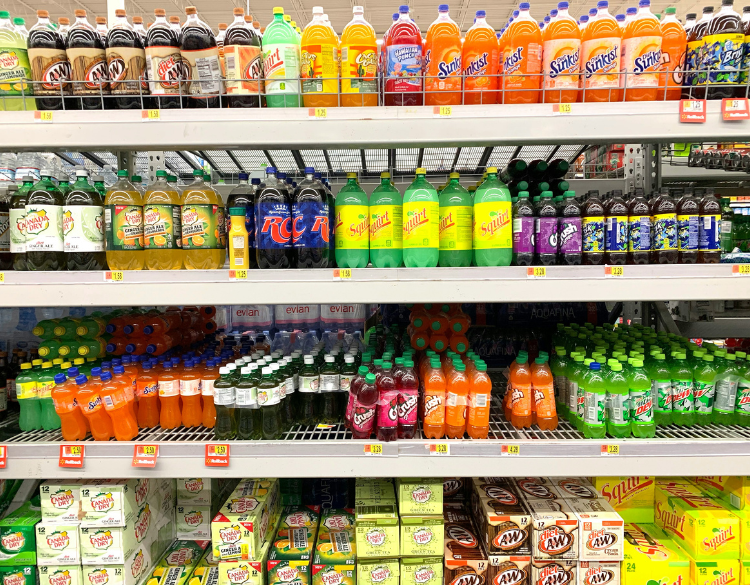
Arkansas has one of the highest adult obesity rates in the country—around 38–40%—and one of the highest diabetes rates, about 12.3%, according to these reports on diabetes.org. These diet-related illnesses are closely connected to nutrition insecurity and limited healthy food access.
And when families live in food deserts, the challenge grows. Roughly 15–20% of Arkansas residents live in low-income, low-access census tracts according to the USDA Economic Research Service. Convenience stores and fast-food options are easier to reach than grocery stores with fresh produce.
Add transportation barriers, limited nutrition education, and lack of confidence in cooking healthy meals, and nutrition insecurity becomes a daily reality.

Where Community Solutions Matter
Changing national food policy takes time. But local action can improve health outcomes right now.
That’s why organizations like Well Fed focus on expanding healthy food access in underserved Arkansas communities through:
• Mobile grocery markets bringing fresh produce directly into neighborhoods
• Nutrition education that builds confidence in cooking healthy meals
• Food-as-medicine programs connecting diet to long-term health
• Partnerships with dietitians, clinics, and community leaders
We meet families where they are and equip them with practical tools so they can build healthier lifestyles for themselves.
Because solving nutrition insecurity takes both system change and community partnership.
Whether policies shift tomorrow or years from now, Well Fed will keep innovating to expand healthy food access and build nutrition security—one family at a time.