
5 Minute Read
Nutrition insecurity and healthy food access in Arkansas
For many Arkansas families, eating healthy is not simply a matter of preference. Access to nutritious food is often shaped by income, transportation, geography, and the availability of healthy food in local communities.
This issue is commonly referred to as nutrition insecurity—limited or uncertain access to foods that support long-term health and well-being.
While food insecurity is often associated with hunger alone, nutrition insecurity focuses on the quality, consistency, and accessibility of healthy food.
Food insecurity and health outcomes
Research continues to show strong connections between food insecurity and chronic disease.
Diets heavily dependent on inexpensive, highly processed foods are associated with increased risk for conditions such as:
- diabetes
- hypertension
- heart disease
- obesity
Fresh fruits and vegetables play an important role in preventing and managing many of these illnesses.
A national study estimated that food insecurity was associated with approximately $53 billion in excess annual healthcare costs in the United States.
In Arkansas specifically, Feeding America estimated that the excess healthcare cost associated with food insecurity was approximately $1,607 per food-insecure adult.

Arkansas food insecurity statistics
Arkansas continues to rank among the states with the highest levels of food insecurity in the country.
According to Feeding America’s Map the Meal Gap study 2023:
- nearly 1 in 5 Arkansans experience food insecurity
- 592,860 adults and children across the state lack consistent access to adequate food
- 24% child food insecurity rates in Arkansas remain significantly above the national average
Food insecurity rates are often even higher in rural communities, where transportation barriers and limited grocery infrastructure make healthy food more difficult to access consistently.
Healthy food access remains uneven
Even when food is available, nutritious food is often harder to afford and obtain than highly processed alternatives.
USDA research found that food-insecure households purchase:
- less fruit
- less whole fruit
- less total protein
- fewer seafood and plant proteins
compared to food-secure households.
The same research found that food-insecure households were significantly more likely to purchase little or no fruit, dairy, or protein foods for home consumption.
These purchasing patterns are often shaped by affordability, shelf stability, transportation access, and availability—not simply preference.
Limitations within emergency food systems
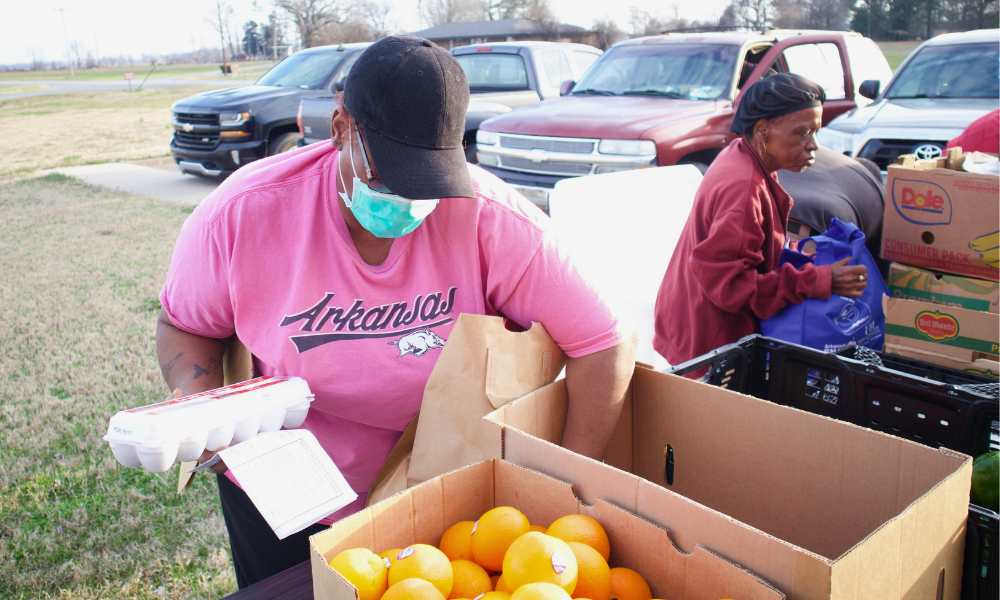
Food banks and food pantries play an essential role in helping families meet immediate needs. However, many emergency food systems face limitations when it comes to consistent access to fresh and nutritious foods.
A UAMS study published in the Journal of the Academy of Nutrition and Dietetics surveyed 357 food pantries across Arkansas and found:
- only 18.5% had written nutrition guidelines
- only 19.3% offered client choice distribution
- fewer than 20% consistently offered fresh fruits and vegetables
Because food banks often rely on donated shelf-stable products that can be stored for long periods of time, fresh produce is frequently more difficult to distribute consistently.
Rural Arkansas faces additional barriers
Many rural Arkansas communities face additional challenges related to food access.
These barriers may include:
- long distances to full-service grocery stores
- limited transportation options
- lack of nearby healthcare services
- fewer community food resources
In some areas, residents may rely heavily on convenience stores or small retailers with limited fresh food options.
As a result, healthy diets can become difficult to maintain consistently, especially for households already managing financial strain or chronic disease.
Looking ahead
Nutrition insecurity in Arkansas is shaped by more than hunger alone. It reflects broader challenges related to healthcare access, infrastructure, affordability, transportation, and long-term community investment.
While emergency food assistance remains essential, many organizations and healthcare systems are increasingly exploring ways to improve consistent access to nutritious foods that support long-term health outcomes.
Understanding the data behind nutrition insecurity is one step toward understanding the scale and complexity of the issue facing communities across Arkansas today.